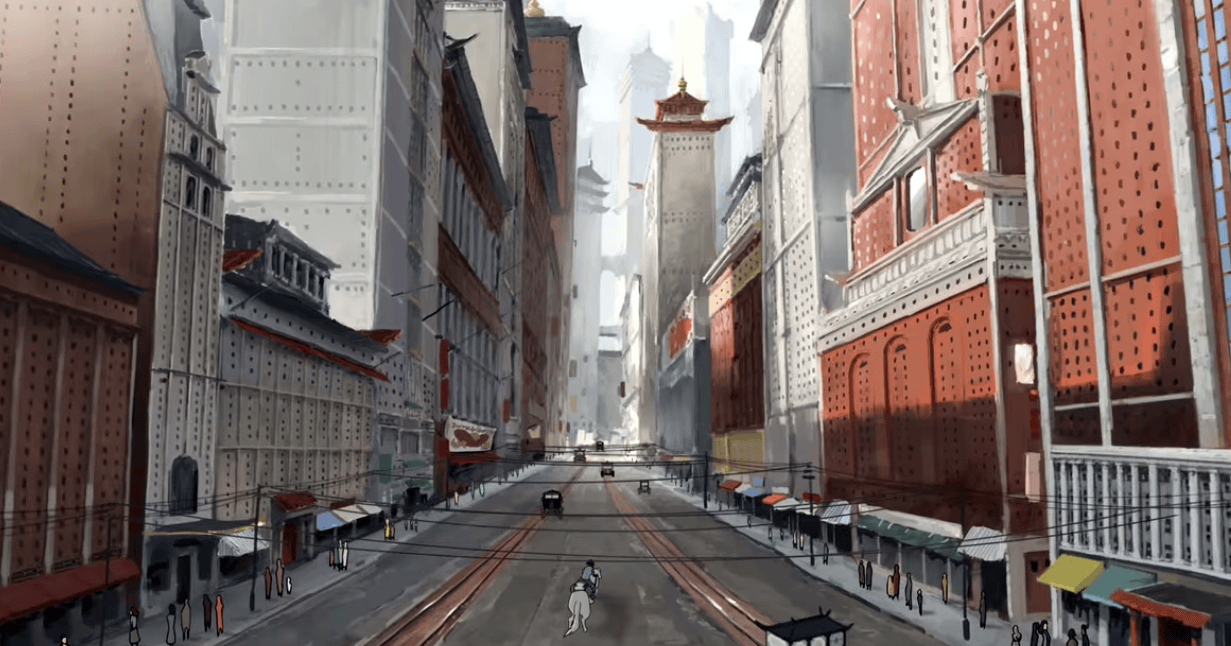
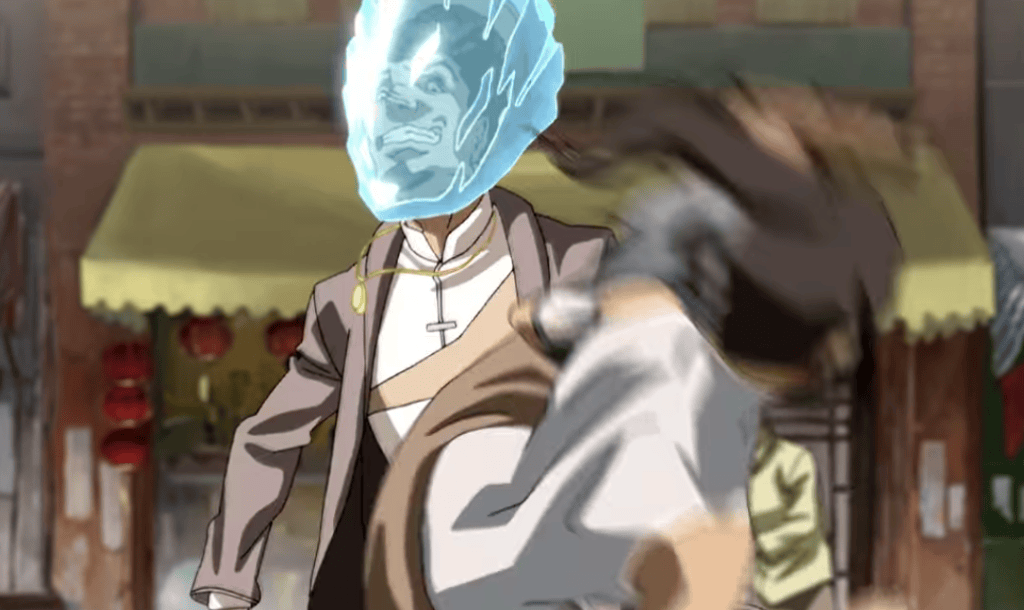
Revolver Fantasy, or Fake 1920s, are blanket terms I using to refer to a specific genre that I’m a big fan of. The most recent example I’ve come across of this is found in a children’s show, The Legend of Korra. I started it years ago and never finished, but decided to rewatch it now that I’m considerably older. The first thing that struck me was the animation for the fights, how brutal and cool they looked, but the second thing was what set the backdrop for the kicks and punches from Korra, our main character.
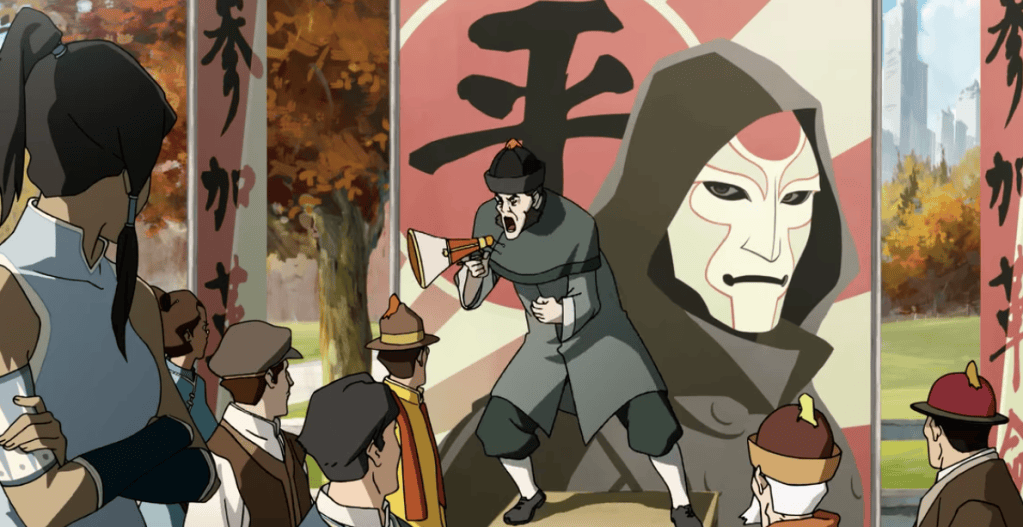
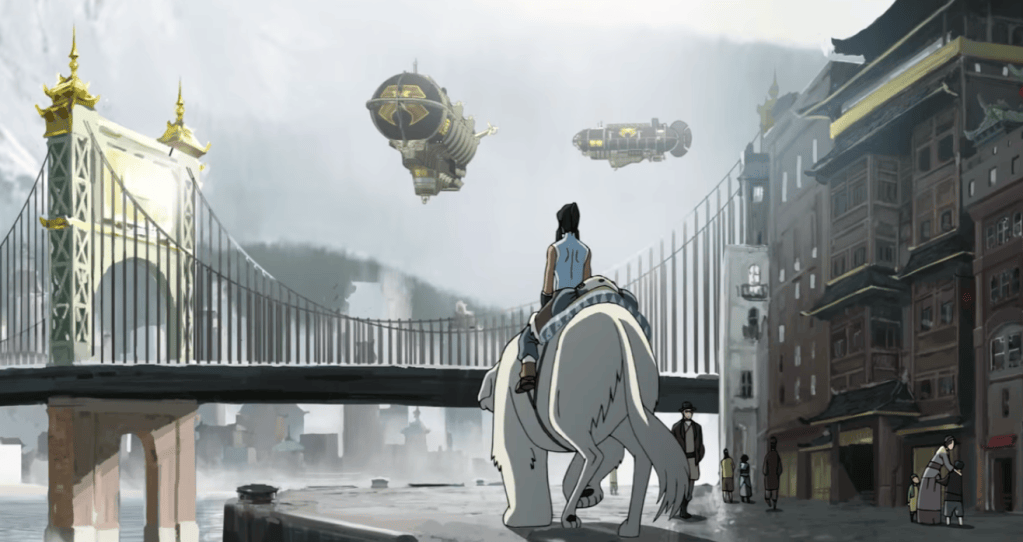
What I’m referring to is the design for the setting of this episode, a place called Republic City. Republic City is a pretty great example of Fake 1920s in action for a specific reason, the blending of fantasy and dated technology. Republic City is a city, yes, but one straight out of an old Batman comic. There are old-fashioned cars that look like Model T Fords and blimps in the air, along with giant, iron-wrought ships. There’s even old-fashioned political agitation, a guy preaching on a stand about injustice and the common man in a scene straight out of a socialist fantasy.
However, as you saw above, there’s also elemental magic and martial arts, where dudes get kicked in the face and throw fireballs at each other. These together give us Fake 1920s. Republic City is special, further, in that the metropolis draws inspirations from what I think is East Asia. My next example of Fake 1920s is rooted mainly in the West, while what’s shown in Korra, rather, is a blend of both Asian and European aesthetics or ideas from the early 20th Century.
A better, or more professional name for this concept is “Revolver Fantasy”, a term I believe I’m coining by writing this down. The name comes from a fantasy world called The Grishaverse created by Leigh Bardugo. Bardugo’s series are similar to Korra in that they are geared towards younger readers, but are no less interesting for it. Within the Grishaverse, characters fight their way through fictionalized versions of Europe where guns flash and magic slices in equal amounts.
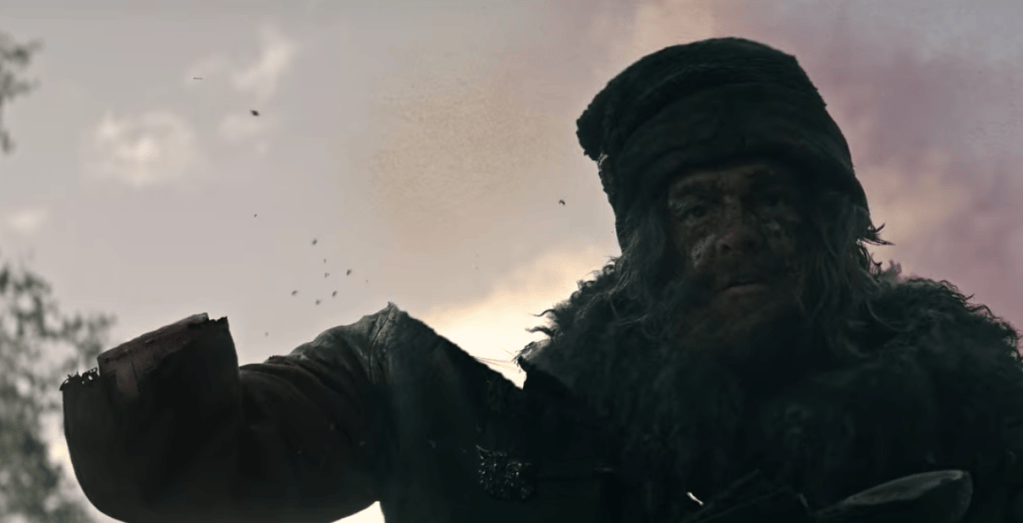
We see this in both the novels and the television adaptation – while there are those that can cut people in two with the wave of a hand, there are others who need to rely on more mundane weapons. This is best exemplified by the character Jesper Fahey, a criminal who is famous for the use of his handguns. That magic mixed with metal gives us the name of our genre – Revolver Fantasy.
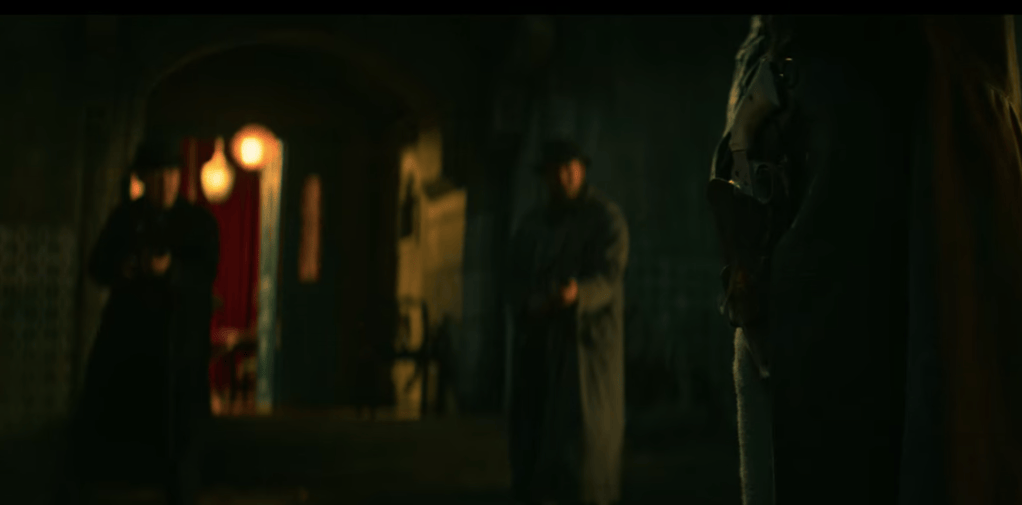
This is a very interesting but poorly defined genre of fiction, and I think it’s a concept worth keeping in mind when you start browsing Netflix or Indigo for your next escape.

